

Writing history as a story
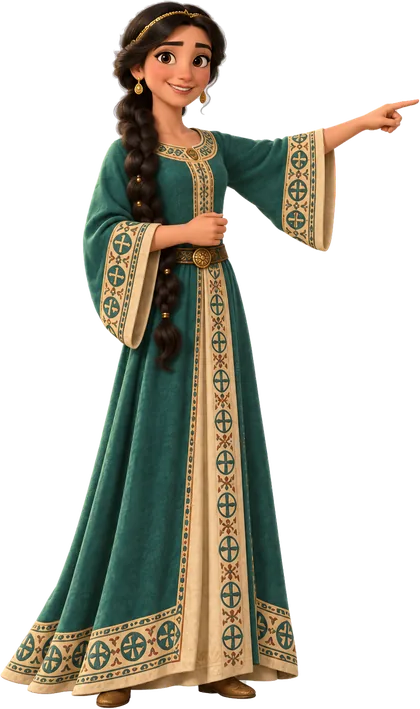
Hello, I'm Miss Komnene, and I teach history at Classfern. History is full of real stories: battles, inventions, journeys, arguments and acts of great courage. When we write history well, we tell those stories so that readers want to keep reading, while making sure every detail is true.
I'm named after Anna Komnene, a Byzantine princess who lived in the eleventh and twelfth centuries. She wrote the Alexiad, a long history of the reign of her father, the Emperor Alexios I. She is often described as one of the first known women historians, and she wrote about events she had lived through, using what she had seen, heard and read.
A good history story has a clear shape. Every strong piece of history writing needs:
- A beginning that sets the scene: who, where and when - A middle that explains what happened and why - An end that shows the results and why they mattered - Evidence, such as dates, sources or quotations from the time, to back up each point
The tricky part is balance. A story with no evidence becomes a fairy tale, while a list of facts with no story becomes dull. Encourage pupils to ask "How do we know?" whenever they make a claim. If they can point to a source, the claim can stay.
At home, family history makes a brilliant starting point. Ask a grandparent to tell a story from their childhood, then help children check details using old photographs, letters or dates. They'll be practising the same skills real historians use every day.
History at Classfern. More from Miss Komnene