

Washing hands properly

Hello, I'm Miss Nightingale, and I teach PE and health at Classfern. I'm named after Florence Nightingale, the British nurse who worked in military hospitals during the Crimean War in the 1850s. She pushed hard for cleaner hospitals and better hygiene, and she showed with careful records how many lives cleanliness could save.
Around the same time, a Hungarian doctor called Ignaz Semmelweis noticed that far fewer mothers fell ill after giving birth when doctors washed their hands first. Today we know why: soap and water remove germs we can't see. Washing hands properly is still one of the simplest ways to stay healthy.
The key is doing it properly. A quick splash under the tap isn't enough. Aim for about twenty seconds with soap and water, and follow these steps:
- Wet your hands and add soap.
- Rub palms together, then the backs of each hand.
- Scrub between your fingers and around your thumbs.
- Clean your fingertips and under your nails.
- Rinse well and dry with a clean towel.
When should you wash? Before eating or cooking, after using the toilet, after playing outside or touching animals, and after blowing your nose. After PE or sport, it's a good habit too.
Teachers can put a simple picture guide by every classroom sink. A fun experiment, with an adult helping, is to rub a little glitter or flour on your hands and see how long it takes to wash it all off. Parents and home educators can make handwashing part of the routine before every meal.
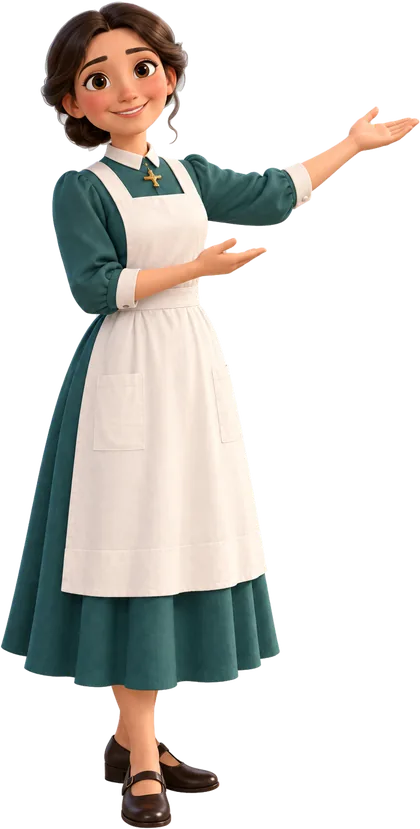
PE and Health at Classfern. More from Miss Nightingale