

Two sides to every story
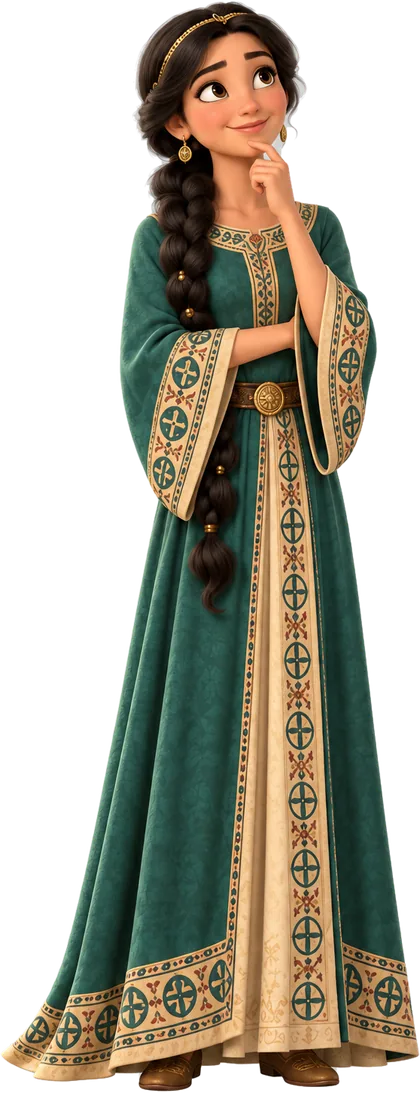
Hello, I'm Miss Komnene, and I teach history at Classfern. I'm named after Anna Komnene, a Byzantine princess who wrote a long history called the Alexiad about the reign of her father, Emperor Alexios I. She is often described as one of the first women historians whose work survives.
Anna's book is a perfect example of why we need two sides. She described the arrival of the First Crusade, at the end of the 1090s, from inside the Byzantine court. Western writers who travelled with the crusaders told the same events very differently. Reading both helps historians get closer to what really happened.
People at the time often saw events in completely different ways. A king and a farmer might describe the same war very differently: one thinking about land and glory, the other about lost crops and family members far from home.
When you study any event, ask these questions:
- Who wrote this, and when?
- What did they want their readers to believe?
- Whose voices are missing from the story?
- Can I find a second source that agrees or disagrees?
Teachers might hand out two short accounts of the same event and ask pupils to spot where they differ. Parents and home educators can practise with everyday things, too: ask two family members to describe the same day out, and compare their stories. Looking at both sides doesn't mean deciding everyone is equally right. It means weighing the evidence carefully, and that makes you a much better historian.
History at Classfern. More from Miss Komnene