

Taste as you go
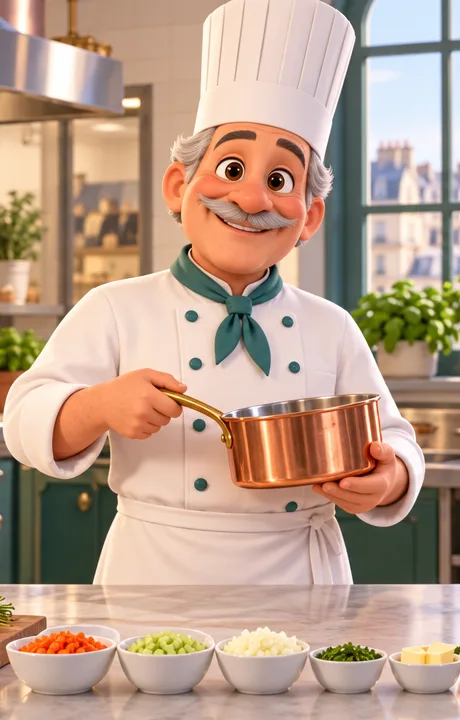
If I could give every young cook one piece of advice, it would be this: taste your food while it cooks, not just at the end. By the time a dish reaches the plate, it is often too late to fix it. Tasting along the way lets you adjust it gently, a little at a time.
Auguste Escoffier, the great French chef I am named after, organised professional kitchens into clear teams and wrote a hugely influential cookery book, Le Guide Culinaire, published in 1903. Careful, step-by-step attention to flavour was at the heart of his cooking, and it still is in good kitchens today.
When you taste, ask yourself a few simple questions:
- Does it need a pinch more salt to wake the flavours up? - Would a squeeze of lemon or a little vinegar make it brighter? - Is it too thick, too thin, too sweet or too sharp? - Has the flavour changed since you last tasted it?
Hygiene matters just as much. Use a clean spoon every time you taste, and never put a used spoon back into the pan. Hot food can burn, so take a small amount, let it cool for a moment and blow on it before tasting. Young cooks should always have an adult supervising when using the hob, sharp knives or hot liquids, and should only taste food that is safe to eat at that stage. Never taste raw meat, raw fish or raw egg mixtures.
Soups and sauces are perfect for practising, because they change a lot as they simmer. Over time you will build your own sense of taste and learn to trust it.
Head of Cookery at Classfern. More from Monsieur Escoffier