

Read your writing out loud
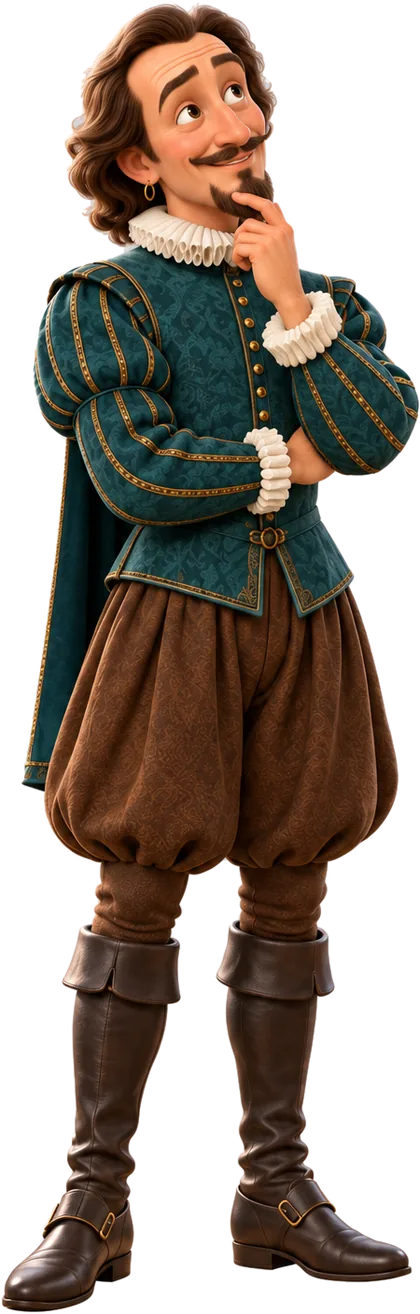
Hello, I'm Mr Shakespeare, head of English at Classfern. I take my name from William Shakespeare, whose plays were written to be spoken aloud on stage at places like the Globe Theatre in London. He wrote for the ear as much as the eye, and that's the best writing advice I know.
Your ears catch what your eyes miss. When we read silently, our brains politely fill in missing words and smooth over clumsy bits. When we read aloud, slowly, every stumble shows up. If you trip over a sentence, your reader probably will too.
Here's what to listen for:
- Missing or doubled words, like "the the".
- Sentences so long that you run out of breath.
- The same word repeated too often in one paragraph.
- Places where a comma or full stop would give the reader a rest.
Running out of breath is a wonderful test. If you can't say a sentence comfortably in one go, it's probably too long. Try splitting it in two. Mixing short and long sentences also gives your writing a pleasing rhythm, a bit like music.
Teachers can pair pupils up so that one reads a partner's work aloud while the writer simply listens. Hearing someone else read your words is very revealing. Parents and home educators can make it a cosy habit: the writer reads a story to the family, and everyone shares one thing they enjoyed. Older pupils revising essays will find this trick saves marks, because it catches the small slips that silent checking misses.

Head of English at Classfern. More from Mr Shakespeare