

Every voice matters
Being a good citizen is about taking part. It means listening to others, sharing your own view politely, respecting people who disagree with you and helping to make your community a better place. You do not need to be an adult to start.
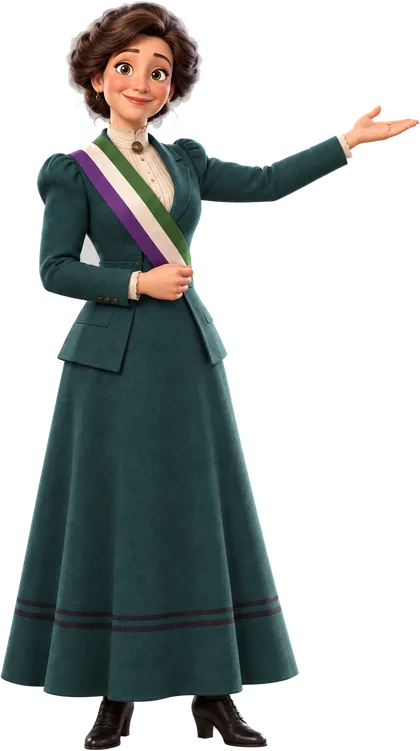
Emmeline Pankhurst, the campaigner I am named after, fought for women in Britain to have the right to vote. In 1903 she founded the Women's Social and Political Union, a group that campaigned with great determination. In 1918 some women over thirty won the vote, and in 1928 women gained the right to vote on the same terms as men. Change came because many people spoke up together over many years.
Citizenship begins with small things in everyday life, such as:
- Taking part in a class or school council. - Listening carefully before replying in a discussion. - Voting fairly and accepting the result graciously. - Helping with a local project, such as a litter pick with adults.
Children often have strong ideas about fairness, and these are worth taking seriously. A class debate about whether there should be more trees in the playground, for example, teaches pupils to give reasons, listen to the other side and reach a decision together. It also shows them that disagreeing politely is perfectly normal in a democracy.
Teachers and parents can model good citizenship by asking for children's opinions on real decisions and explaining how choices are made. When young people see that their voices can make a difference, they grow into confident, caring adults who take part in their communities.
Head of Citizenship at Classfern. More from Mrs Pankhurst