

Counting in everyday life
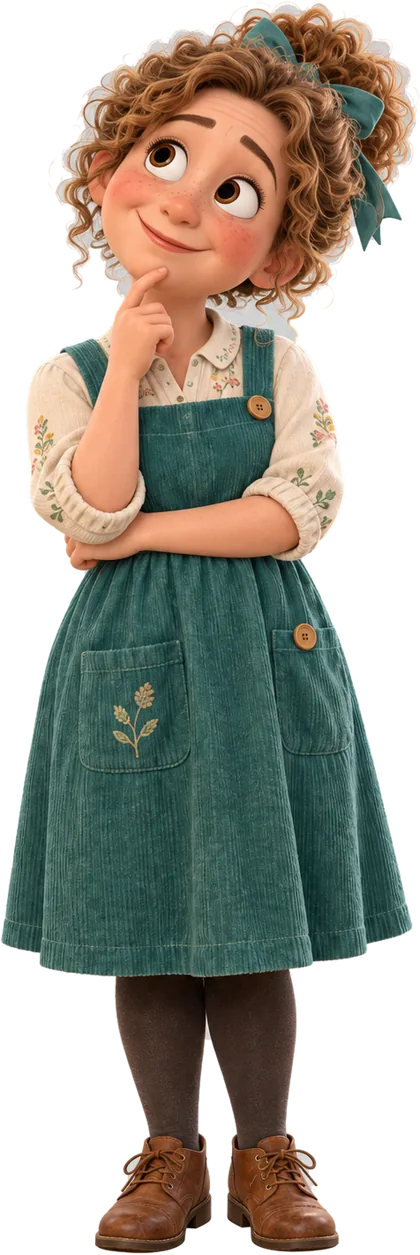
Hello, I'm Miss Peabody, and I teach Early Years at Classfern. I'm named after Elizabeth Peabody, who opened the first English-language kindergarten in the United States, in Boston in 1860. She believed young children learn best through play and everyday experiences, and counting is a perfect example.
Numbers are everywhere once you start looking. There are stairs to climb, apples in the fruit bowl, buttons on a coat and cars going past the window. When children count real things they can see and touch, maths stops being something on a worksheet and becomes part of their world.
Here are some easy ways to sneak counting into the day:
- Count the stairs out loud as you go up to bed.
- Count spoons, plates or cups while laying the table.
- Count red cars, dogs or lampposts on a walk.
- Count claps, jumps or hops in a quick game.
Touching each object as you count is very helpful for little ones. It teaches them that each number matches exactly one thing, which is an important early maths idea. Lining objects up in a row makes it easier too. Once they're confident, ask how many there would be if you added one more, or took one away.
Teachers can build counting into tidy-up time, snack time and lining up. Parents and home educators can do it on the way to the shops or in the bath with floating toys. Little and often works best. A few cheerful counts a day will do more than a long, tiring lesson.
Early Years at Classfern. More from Miss Peabody